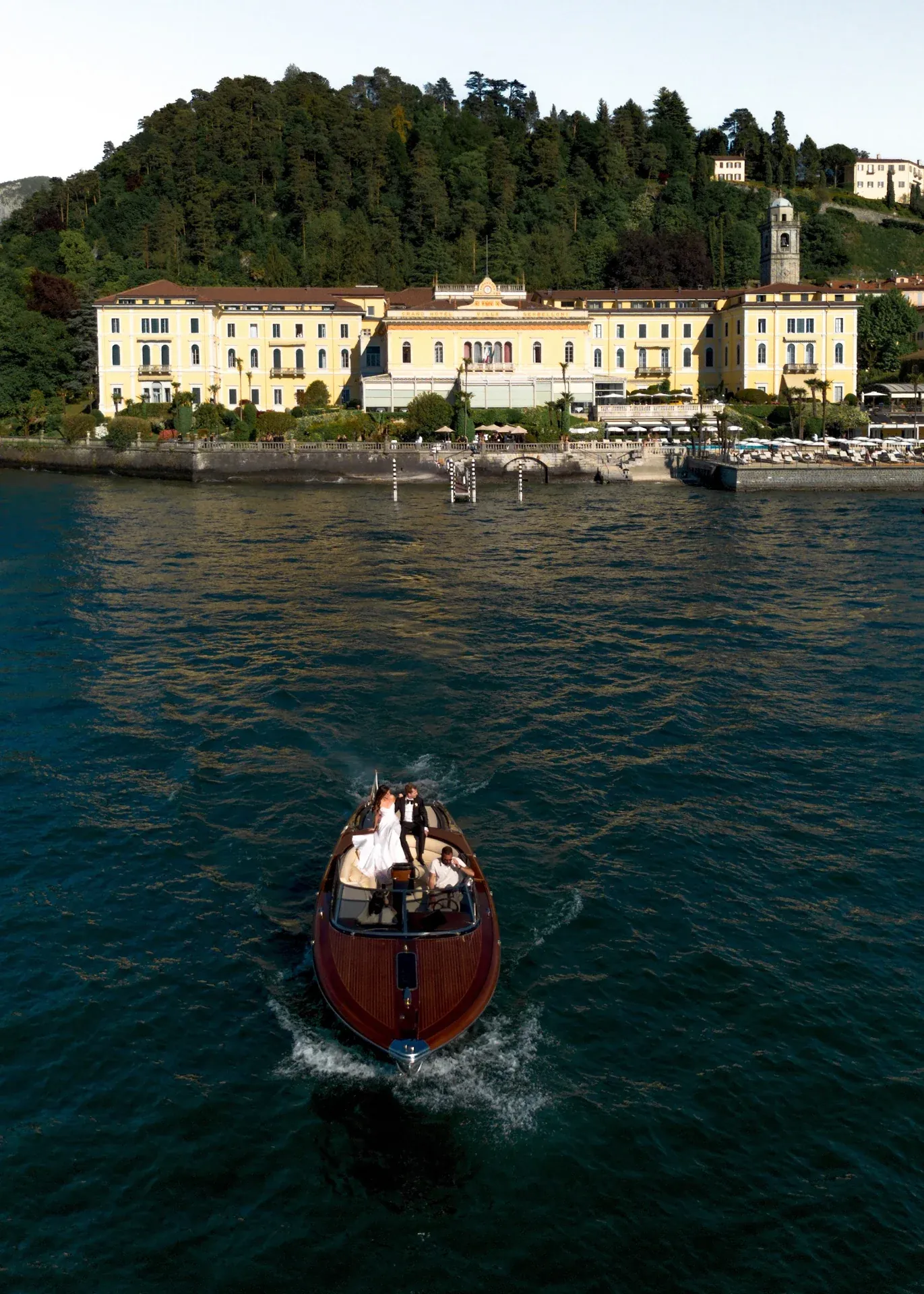
Begin with the wedding location
Before sending a long hotel list, mark the main event venue and any additional gatherings on a map. Consider the arrival and return journeys at the times they will actually happen. A nearby point across the water may involve a very different route by road.
One well-chosen base or a small number of accommodation clusters can simplify hosted transport and communication. Guests may still choose elsewhere, so explain which departure points your arrangements will serve. Do not assume every address can be added to a shared shuttle route.
Offer a useful choice
Consider different room preferences, accessibility needs, family arrangements and lengths of stay. A short selection with a clear reason for each property is often more helpful than a directory. Explain the relationship to the wedding location, rather than simply listing star ratings.
If staying at the wedding property is an option, clarify who will use its rooms and what that includes. A property with some accommodation is not necessarily able to host every guest overnight. Discuss getting-ready spaces separately from the guest room list.
Understand the booking arrangement
Ask the hotel to explain any proposed room allocation in writing. Identify who makes each booking, who pays, what is being held, when any hold expires and what cancellation conditions apply. Make clear whether you are recommending accommodation or committing to rooms yourselves.
Keep promises to guests aligned with confirmed arrangements. A useful invitation can link to the correct booking contact or process, state any relevant deadline and explain what to do if the suggested rooms are unavailable. Avoid describing a rate or allocation as guaranteed until the hotel confirms it.
Connect rooms with transport
Plan departure points where guests can gather comfortably. Check how someone with luggage, a pushchair or a mobility requirement reaches the actual vehicle or dock. For a wedding weekend, confirm transport for each hosted event rather than assuming one arrangement covers everything.
Return journeys deserve the same attention. Guests may want different finishing times, and those preferences should be discussed before the schedule is final. Explain where the transport goes and how guests staying beyond those stops should plan their onward journey.